Sustainable Workwear for Yorkshire Businesses
Organic cotton and recycled-content options, what the claims actually mean, and how to order branded sustainable workwear in Bradford and across Yorkshire.
“Sustainable workwear” covers more than one thing, and the two options most Yorkshire businesses actually choose between, organic cotton and recycled polyester, are not interchangeable claims. This guide sets out what each one means, what we stock, and what to ask a supplier before you order.
We are not going to claim a certification we have not confirmed, or describe a garment as sustainable because it is a nice thing to say. Where we hold a genuine fact, a fabric composition, a recycled percentage, a real range, it is below. Where we do not, we say so.
We hold two sustainable options in-house at our Bradford unit: the Native Spirit range, built on organic cotton, and recycled polyester content across parts of the Onna healthcare range. Both are embroidered and printed in-house alongside everything else we supply.
Organic Cotton vs Recycled Polyester
Neither is a straight upgrade on the other. They solve different problems, and the right one depends on the garment.
| Material | What it is | Feel | Best for | Where we stock it |
|---|---|---|---|---|
| Organic cotton | Cotton grown without synthetic pesticides or fertilisers | Natural fibre, breathable, softens with wash | T-shirts, polos, sweats, chinos, casual outerwear | Native Spirit range |
| Recycled polyester | Polyester made from recycled plastic (often bottles) rather than virgin oil-based fibre | Synthetic, stretch and structure, quick-dry | Stretch garments, fleeces, performance layers | Recycled content in the Onna range |
| Organic cotton / recycled poly blend | A cotton-majority fabric with recycled polyester added for structure | Heavier weight, more structured than pure cotton | Sweatshirts, hoodies, joggers | Native Spirit sweats and hoodies, 85/15 blend |
Native Spirit: Organic Cotton as the Base Fabric
Native Spirit is the range to reach for when organic cotton is the point, not an add-on. Ring spun combed organic cotton runs through the t-shirts (155 gsm), polos (220 gsm) and the corduroy jacket (320 gsm), and a cotton-majority blend (85% organic cotton, 15% recycled polyester) carries the sweats, hoodies and joggers.
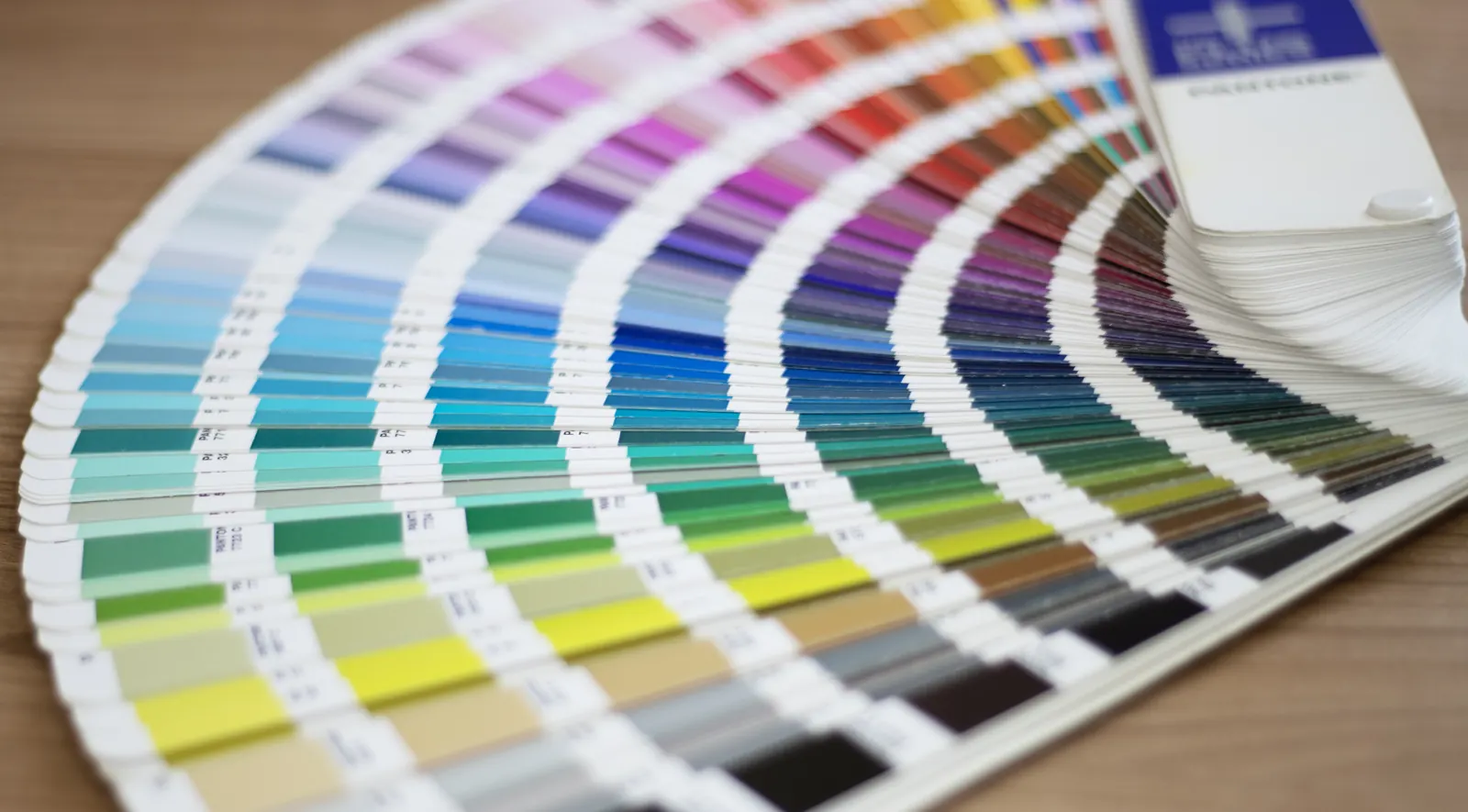
It also runs to an unusually wide colour range, over 50 shades on the core t-shirt, and sizes from XXS to 5XL depending on style, across a range of more than 150 garments.
- T-shirts, polos and chinos: at or close to 100% organic cotton
- Sweats, hoodies and joggers: 85% organic cotton, 15% recycled polyester
- Corduroy jacket: 100% organic cotton, 320 gsm
- Over 50 colour shades on the core t-shirt
Recycled Content in the Onna Range
Organic cotton is not the only sustainable option we stock. The Onna by Premier healthcare range carries recycled polyester across three fabrics, at three different percentages, which is worth knowing rather than treating as one blanket claim.
- Onna-Stretch tunics and trousers33% recycled polyester
- Underscrub base layers50% recycled nylon
- Agility fleece jackets100% recycled polyester
Recycled content is a standard part of that range rather than a separate premium line, which means choosing it does not mean a different garment, a longer lead time or a different supplier.
Reading a Sustainability Claim Before You Order
Three things worth checking before “sustainable” goes on a purchase order or an ESG report.
Organic cotton is a material fact, not automatically a certification
It means the cotton was grown without synthetic pesticides and fertilisers. It does not by itself mean the fabric or the finished garment carries GOTS or another formal certification. Ask the supplier for the certificate if a tender or an ESG report needs one, rather than assuming the word "organic" covers it.
Recycled content is usually a percentage, not the whole garment
A "recycled polyester" fabric is often a blend, and the recycled share varies by product: 15% in some sweats, 33% or 50% in others, 100% in a small number of fleeces. The percentage is worth checking rather than assuming every recycled-content garment is the same.
A sustainable fabric still has to survive the wash
None of this matters if the garment does not last. Organic cotton behaves like any other cotton jersey under an embroidery needle or a wash cycle; it is not inherently more or less durable than conventional cotton of the same weight and construction.
Where we stand on certification
We have not confirmed that BR Apparel holds GOTS or another formal certification covering the Native Spirit or Onna ranges. The material facts above (organic cotton, recycled percentages) come from the supplier catalogue. If your business needs certified paperwork for a tender or a sustainability report, ask us and we will find out what the supplier can provide rather than guessing.
Branding an Organic Cotton or Recycled Garment
A sustainable fabric does not need special branding treatment for basic garments. Ring spun combed cotton takes an embroidered logo cleanly, the same way any cotton jersey does, and DTF sits on the surface of organic cotton exactly as it would on a conventional t-shirt.
Two things do need care. Corduroy and heavier fleece pieces need the embroidery stabiliser set for the fabric rather than a default setting, and a genuinely wide colour range (Native Spirit runs past 50 shades) is worth confirming for exact thread match at proof stage rather than assuming the nearest standard colour is close enough. For a longer look at choosing between the two methods, see embroidery vs printed logos.
Ordering Sustainable Workwear in Yorkshire
Native Spirit and the recycled-content Onna garments are held and branded at our Bradford unit alongside everything else we supply, so ordering one does not mean a different process, supplier or lead time.
- Minimum order, embroidery6 per design
- Minimum order, DTF and screen print10 items
- Turnaround from artwork approval4-5 working days
- Quote returned within24 hours
We supply businesses across Bradford and West Yorkshire, including Leeds, Halifax, Huddersfield, Wakefield, York and Keighley. For a wider look at what any branded uniform costs, see the uniform pricing guide.
Ready to Order
Sustainable Workwear?
Tell us your team size, roles and preferred material and we will come back with the right range and a quote within 24 hours.
Get a QuoteSustainable Workwear FAQs
Common questions on organic cotton, recycled content and how sustainable workwear is branded and ordered.
- Two ranges. Native Spirit, built on organic cotton across t-shirts, polos, sweats, chinos and outerwear. And recycled polyester content in parts of the Onna healthcare range: 33% in the tunics and trousers, 50% recycled nylon in the underscrub base layers, and 100% recycled polyester in the fleece jackets. Both are held and branded in-house at our Bradford unit.
- They solve different problems rather than one being better than the other. Organic cotton is grown without synthetic pesticides and fertilisers; recycled polyester reduces demand for virgin oil-based fibre. Which matters more depends on what your business is trying to achieve, and we would rather explain the difference than pick a winner for you.
- We have not confirmed that we hold GOTS or another formal certification covering the Native Spirit or Onna ranges. The material facts we publish, organic cotton, recycled percentages, come from the supplier catalogue. If your business needs certified paperwork for a tender or an ESG report, ask us and we will find out what the supplier can provide.
- Not necessarily. Native Spirit polos guide at £8 to £22 supplied and branded, the same range published for polo shirts generally on our pricing guide. Other categories are priced to suit the garment and quantity, the same as any range we stock. Tell us what you need and we will quote it rather than assume a premium.
- Yes, without any special treatment on the t-shirts, polos, sweats and hoodies: ring spun combed cotton behaves like any other cotton jersey under a needle or a transfer. The corduroy jacket and heavier outerwear need the embroidery stabiliser set for the fabric rather than a default, which we do per garment.
- The same as everything else we supply: six garments per design for embroidery, ten for DTF or screen print, and no minimum on re-orders once your logo is on file. You can mix styles, colours and sizes inside that figure.