Article
GSM is grams per square metre. It is the weight of the fabric, and it is the single number that tells a customer whether your brand is premium or promotional. Founders arrive asking for 400gsm as if it were a quality stamp. Sometimes it is. Often it is the wrong trade.
Every weight below is from the ranges we actually supply: Stanley/Stella, Native Spirit and AS Colour, from a 155gsm tee to a 500gsm hood. Nothing is guessed.
What the number is measuring
Cut a square metre of the fabric and weigh it. That is GSM. It does not tell you the fit, the hand, or whether the cotton is organic. A 280gsm boxy tee and a 280gsm straight tee can feel like different products. Weight is still the first filter, because it is the thing a customer notices when they pick the garment up.
Heavier usually costs more, because there is more yarn in the cloth. It also holds shape better, sits away from the body, and reads as considered. Lighter drapes, costs less, and suits a print that is doing the talking.
T-shirts
On the t-shirt page we put it this way: below 180gsm reads as giveaway. Above 240gsm reads as considered. Above 280gsm reads as streetwear.
| Band | What it feels like | Styles we quote |
|---|---|---|
| 155 to 180gsm | Light, drapes well, costs least. Suits a printed graphic tee where the artwork carries the product. | Crafter STTU170, Native Spirit NS300, Creator 2.0 STTU169, Staple Tee 5001 |
| 200 to 220gsm | Middle ground. Enough body to hold shape, still comfortable in summer. The most common choice for a first drop. | Blaster 2.0 STTU959, Classic Tee 5026, Native Spirit NS330 and NS332 |
| 240 to 300gsm | Heavyweight. Structured, boxy, and it sits away from the body. What most streetwear brands are actually asking for when they say premium. | Freestyler STTU788, Asher STTU078, Heavy Tee 5080, Native Spirit NS308 at 300gsm |
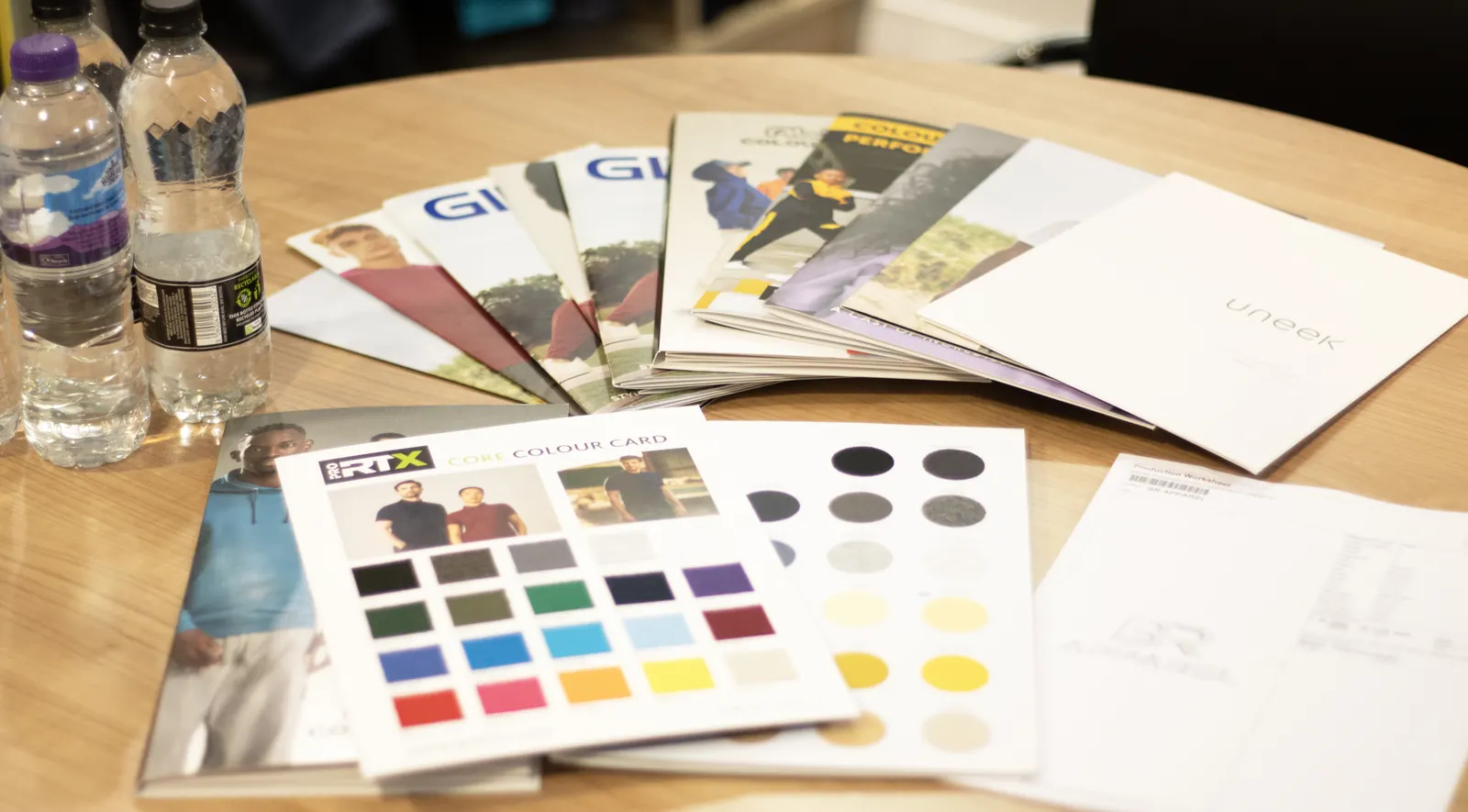
If a brand has a specific shade in mind, the AS Colour Staple Tee at 180gsm runs to 69 colours and the Classic Tee at 220gsm to 55. That is usually where we find it.
Hoodies
Anything under 300gsm will feel thin against a retail competitor. 350gsm is the sweet spot for most brands. 400gsm is a statement, but it narrows your colour options considerably. The full list is on the hoodie page.
| Weight | What it is | Styles we quote |
|---|---|---|
| 300gsm | The floor for a hoodie that will not feel thin. | Archer STSU011, Native Spirit NS408 |
| 350gsm | The usual recommendation. Full colour range, substantial in the hand. | Cruiser 2.0 STSU177, Slammer 2.0 STSU209, Native Spirit NS401 |
| 400gsm | A statement weight. Colour palette typically black, navy, natural and one or two greens. | Voicer STSU256, Native Spirit NS431 |
| 500gsm | The heaviest garment we supply. Closer to outerwear than to a hoodie. Four colours. | AS Colour Made Hood 5151 |
A 350gsm hoodie and a 400gsm hoodie look identical in a photograph and feel completely different when you pick them up. That is why we ask founders to visit. The Stanley/Stella page sets out the colour trade at 400gsm in full; the AS Colour page is the one to read if 500gsm is the story.
Matching a set
If you are building a tracksuit, the jogger has to match the hoodie in weight and handle or it will not read as a set. Two combinations that work on the Stanley/Stella side: Cruiser 2.0 or Slammer 2.0 with the Mover 2.0 jogger at 350gsm, or the Voicer hoodie with the Jammer Dry jogger at 400gsm. Match the fabric type as well as the weight. A brushed hoodie next to a French terry jogger feels like two different products.
Which weight should you start with?
Most first drops land in the middle: a 180 to 220gsm tee, a 350gsm hoodie. That is not a lack of ambition. It is the band where colour, cost and hand all still work, and you find out what sells before you commit the story to a weight that only comes in four shades.
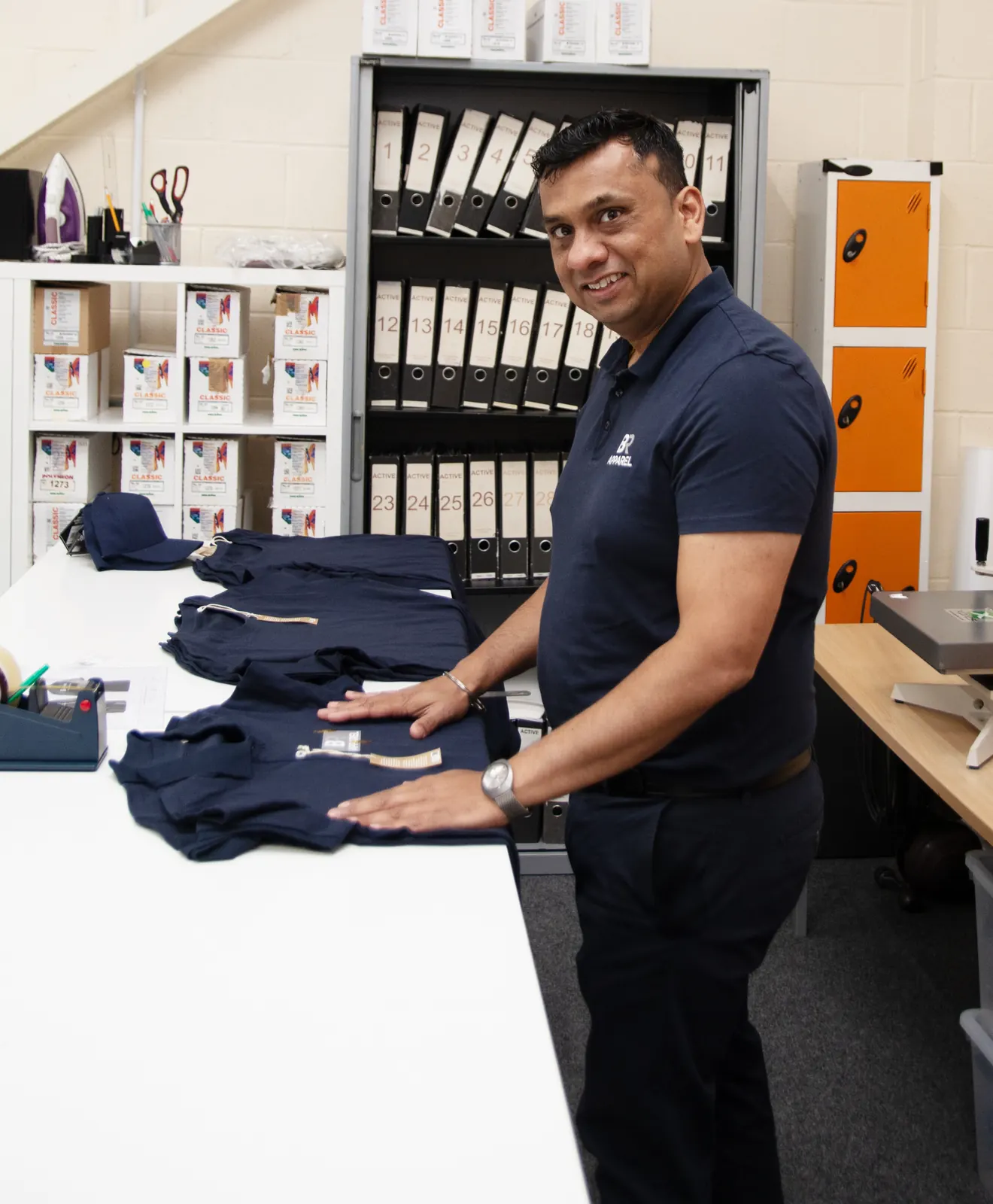
If the weight is the brand, say so, and we will put the 400gsm or the 500gsm in your hands first. If you are not sure, come to the Bradford unit and handle three of them side by side. The number becomes obvious the moment you do.
Where to go next
The style codes and fabrics sit on the garments pages. Decoration is a separate decision, and we wrote up DTF against screen print if that is the next question. When you know the weight, get your first drop quoted.


